
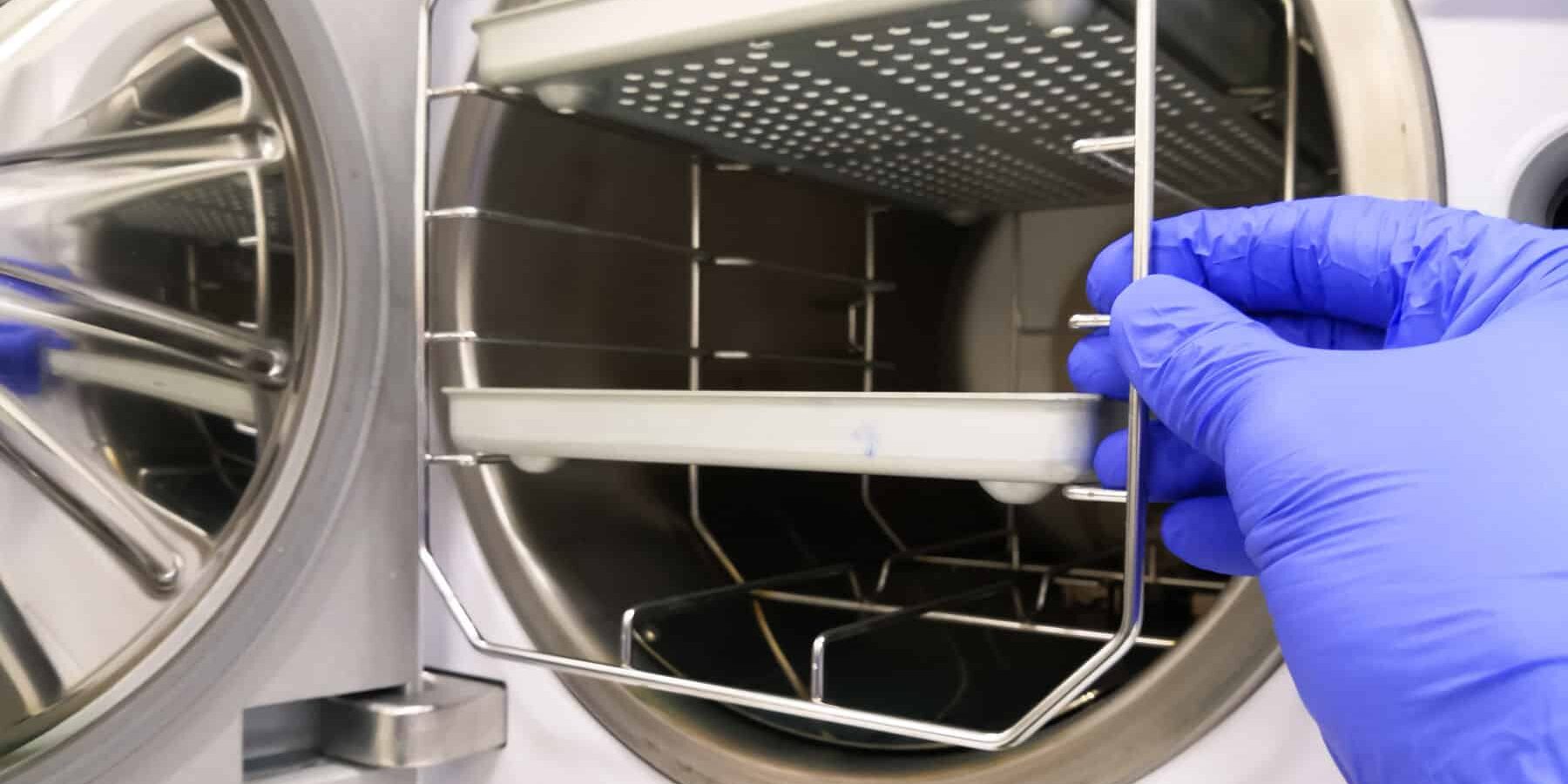
Advanced Ambulatory Surgery Tech Course: Sterile Processing Expertise
Welcome to our comprehensive Ambulatory Surgery Technician Education Course, meticulously crafted for professionals committed to excellence in sterile processing within ambulatory care settings. This course is the epitome of flexibility and affordability, designed to equip you with in-depth knowledge and skills in cleaning, decontamination, packaging and high-level disinfection and sterilization services tailored for ambulatory surgery, dental offices and doctor's offices. Stay ahead in your career with our thoroughly updated content, ensuring you are well-versed in the most current standards and practices. Our self-paced, module-based approach allows you to learn at your schedule, with a pay-as-you-go option for financial ease. Whether you're an aspiring technician or an experienced practitioner, this course is an invaluable resource, setting you up for success in providing safe practices for patients and excelling in the dynamic field of ambulatory surgery.
Quick info:

This Ambulatory Surgery Tech Course is educational. It is NOT a certification program. Upon successful completion of any SPU course, you will receive a Certificate of COMPLETION, which is not certification.
If you are interested in certification, contact the Certification Board for Sterile Processing or HSPA.
The Ambulatory Surgery Technician Course has been completely updated, with over 100 additional pages of content and 30+ photos to provide you with the most current information and standards to ensure you provide safe practices for patients.
100% Online & Flexible
- Start instantly and learn at your own schedule.
- Pay as-you-go or for the entire course up front.
- Receive your grade immediately after completing each quiz.
- Study material is stored in the user's dashboard, in the account, for easy access.
Ambulatory Surgery Tech Course Modules:
The modules for this course are based on the most current edition (7th edition) of The Basics of Sterile Processing Textbook which was developed by Nancy Chobin (RN, CSPM, CFER) a Registered Nurse and is the President of Sterile Processing University, LLC. She has 40 years' experience in the sterile processing profession with the majority being in education and training.
The modules are to be taken in a specific order as each module builds on the information learned from the previous one. There are 29 modules, then the final exam. Each module consists of study material and a quiz. Results are displayed after finishing each module quiz. The modules are stored in the user's account, so that the person can refer to them at a later date, if needed.
If you'd like the pay-as-you-go option, please choose the module(s) from the selection below and add it to the shopping cart. Complete your purchase. You will be prompted to create an online account. (This is done in the shopping cart under the "Billing" tab.) The module(s) will be stored in your account.
IMPORTANT NOTE: ALL of these modules are copyrighted. No one is permitted to copy or use any of the module information for personal use outside of this course at any time in any format (electronic, copy, etc).
- 1: Roles & Responsibilities I
- 2: Roles & Responsibilities II
- 3: Anatomy & Physiology I
- 4: Anatomy & Physiology II
- 5: Microbiology
- 6: Infection Prevention
- 7: Decontamination I
- 8: Decontamination II
- 9: Decontamination III
- 10: Decontamination IV
- 11: Decontamination V
- 12: Decontamination VI
- 13: Disinfection Processes I
- 14: Disinfection Processes II
- 15: Preparation and Packaging of Instruments and Devices I
- 16: Preparation and Packaging of Instruments and Devices II
- 17: Preparation and Packaging of Instruments and Devices III
- 18: Surgical Instruments and Specialty Devices I
- 19: Surgical Instruments and Specialty Devices II
- 20: Surgical Instruments and Specialty Devices III
- 21: Surgical Instruments and Specialty Devices IV
- 22: Sterilization I
- 23: Sterilization II
- 24: Sterilization III
- 25: Sterilization IV
- 26: Sterilization V
- 27: Sterilization VI
- 28: Sterile Storage and Distribution
- 29: APPENDIX A: MEDICAL TERMINOLOGY
- Final Exam
Purchase all of the modules at once by clicking the red button:

• Each module and the final exam cost $20 each, $600 total. You do not pay for the entire course up front, (but we give you the option if you want). You pay for each module as you go making this more affordable for you. There is no time limit for completion of the course. You learn at your own pace.
• The regular price for courses like this ranges from $700 to over $1,200. This online course only costs $600, saving you a minimum of $100!
• There are no refunds, prices subject to change. Credit cards (Visa, Mastercard, Discover, American Express) accepted.